
What Most Canadians Don’t Realize: You’re Already Giving More Than You Think.
By: Serena Hak
Most people don’t walk around thinking of themselves as philanthropists.
In fact, the word itself often feels distant or reserved for others. But according to Webster’s Dictionary, a philanthropist is “a benevolent supporter of human beings and human welfare.”
So who does that describe?
Is it someone who gives up a meaningful portion of their income or capital gains to support the general welfare of the country? Or is it someone who contributes to healthcare, education, income supports, and services that help children and families through difficult moments?
That someone is most of us - we are taxpayers.
As Canadians, through the taxes we pay, we are all supporting human welfare in very real ways. In that sense, we could all be considered involuntary philanthropists.
Those tax dollars are essential. They fund the systems that help hold our country together, and few would argue otherwise. Canada is the country it is because of them.
But this reality raises an important question.
If you were given a choice, is this how you would choose to direct all of your giving?
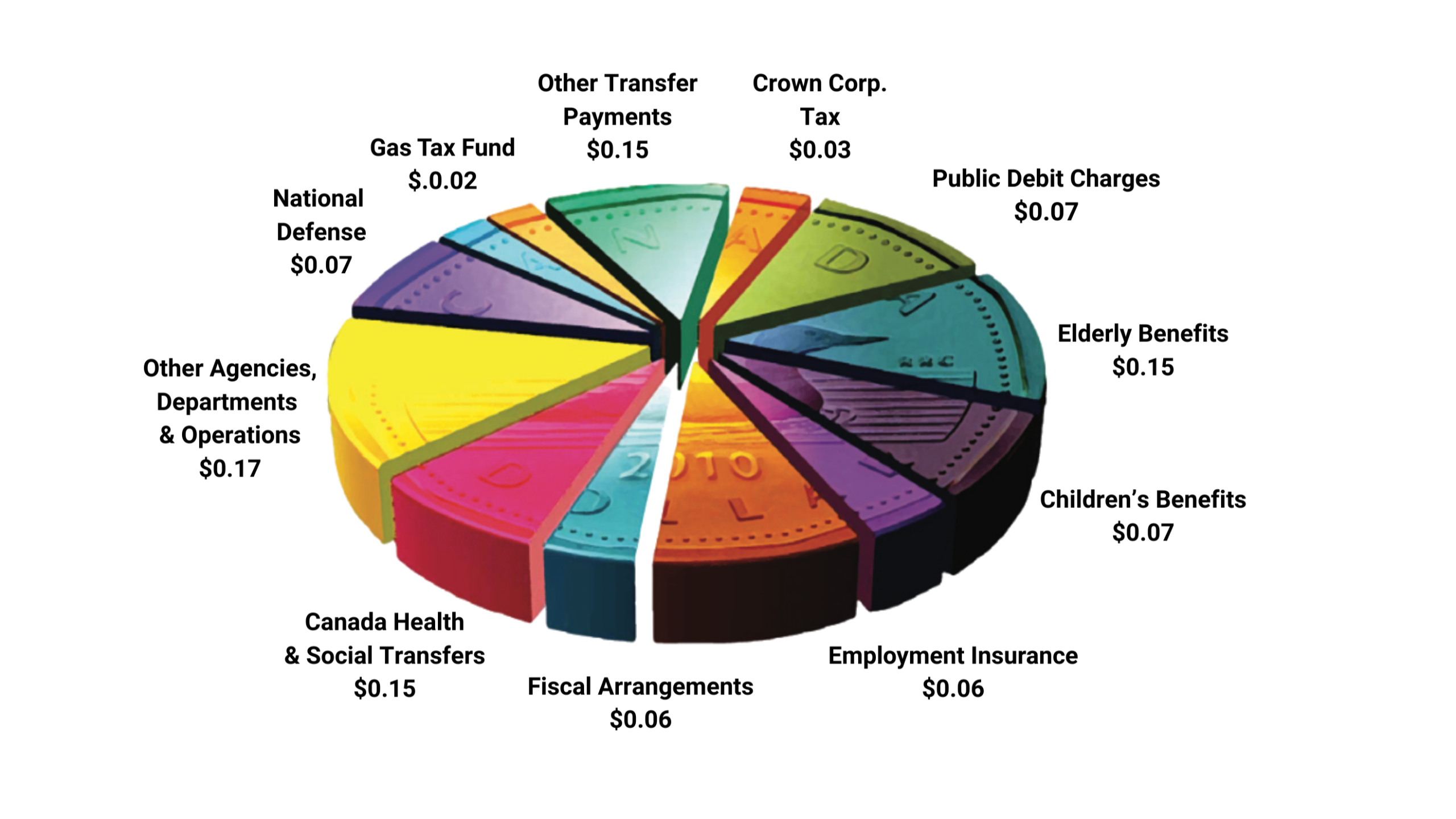
Source: Department of Finance Canada, (Fiscal Year Ended: March 31, 2019)
For many people, the honest answer is no.
Significant portions of what Canadians contribute to the public good happen automatically, with little visibility and even less intention. Some of the largest contributions families make don’t come from donations during their lifetime, but from taxes paid later on registered savings, investments, or estates.
Giving happens either way.
The difference is whether it reflects what matters most to you.
This is where thoughtful charitable giving comes into focus. Not as a replacement for taxes, but as a complement to them. An opportunity to redirect a portion of what would otherwise go to taxes toward causes, communities, and organizations that align with your values.
This approach is very different from traditional planning that focuses only on numbers. It is driven instead by relationships, priorities, and what people want their resources to stand for.
Importantly, this is not discouraged by our tax system. Quite the opposite. Over time, governments have introduced more than 20 incentives within the Income Tax Act to encourage charitable giving, creating one of the most supportive environments for generosity anywhere in the world.
When people understand this, the conversation often shifts.
Giving becomes less about obligation and more about meaning. Less about transactions and more about impact. It becomes part of how individuals and families express care, responsibility, and hope for the future.
You don’t need to think of yourself differently.
You don’t need to change who you are.
It may simply be worth recognizing how much you already contribute and considering how intentional you want that giving to be.
The CAFDN Foundation is offering a complimentary presentation for donors interested in learning how Canada’s tax planning incentives can reduce taxes, strengthen estate plans, and support the causes they care about. To learn more or to register, please contact Alyssa Mainella at amainella@cafdn.org or (416) 923-0924 ext. 274.
About The Author
Serena Hak is a nationally recognized financial educator and philanthropic planning specialist who works with Canadian families on retirement, estate, and tax planning. Her work helps donors give more intentionally and tax efficiently while preparing the next generation for long-term stewardship. Serena’s insights have appeared in The Globe and Mail and the National Post’s Guide to Charitable Giving, and she was recently named one of the WXN Top 100 Most Powerful Women in Canada.